Compare and Choose Local Contractors for Masonry Demolition
Compare local contractors for masonry demolition to define your project scope, verify experience, and set clear expectations in writing for a successful job.
Masonry demolition is a specialized service that involves carefully dismantling and removing existing brick, stone, concrete, or other masonry structures. This work typically includes breaking down walls, chimneys, foundations, or other built features while ensuring the surrounding areas remain protected. Contractors in this field use a combination of manual tools and machinery to safely and efficiently perform the work, often requiring careful planning to avoid damage to nearby structures or utilities. Clear communication about the scope of demolition helps property owners understand what will be removed, how debris will be handled, and any potential impacts on the site.
Defining the scope of masonry demolition is a crucial step in planning a project. It involves specifying exactly which structures are to be taken down, the methods to be used, and any specific considerations such as preservation of certain features or adherence to local regulations. A well-defined scope helps prevent misunderstandings between property owners and contractors, reducing the risk of unexpected issues or additional work later on. When scope details are documented in writing, it provides a clear reference point that can guide the project and ensure all parties share the same expectations throughout the process.
Property owners seeking masonry demolition services can compare local contractors by reviewing their experience with similar projects, verifying their familiarity with the type of demolition needed, and examining how they outline the work in written proposals. It’s important to ask potential service providers about their previous work, to ensure they understand the specifics of masonry demolition in the local area’s building environment. Comparing how contractors define scope, communicate details, and handle project expectations can help property owners find experienced, reliable service providers who meet their project needs and preferences.
Compare local contractors by outlining project priorities, verifying experience, and clearly defining scope and expectations in writing.
- Define the Scope of Work - clearly outline the demolition tasks to ensure all parties understand project requirements.
- Verify Experience and References - assess the background of local contractors to confirm relevant masonry demolition expertise.
- Compare Service Providers - evaluate multiple local contractors to find the best match for your project needs.
- Document Expectations in Writing - establish detailed agreements to set clear project scope, responsibilities, and deliverables.

Clearly describe your masonry demolition project to help compare contractors, define scope, verify experience, and set expectations in writing.
- Verify experience and references for masonry demolition projects similar in scope and complexity. - Ensuring the service providers have relevant background helps in assessing their capability to handle the job safely and effectively.
- Clearly define the scope of demolition work and document it in writing to prevent misunderstandings. - Precise scope documentation ensures all parties have aligned expectations and reduces potential disputes.
- Assess the contractors' approach to site preparation, debris removal, and waste disposal procedures. - Proper planning in these areas is crucial for a smooth demolition process and site cleanup.
- Check that the service providers have appropriate insurance coverage to protect against potential damages or accidents. - Verifying insurance helps safeguard against liabilities during the demolition project.
- Compare how different local contractors plan to manage structural stability and safety measures during demolition. - Ensuring safety protocols are in place minimizes risks to workers and surrounding structures.
- Request detailed written proposals outlining the methods, materials, and scope to facilitate accurate comparisons. - Detailed proposals enable effective evaluation of each contractor’s approach and professionalism.
Compare local contractors' experience and clarify project scope to ensure clear expectations and successful masonry demolition.
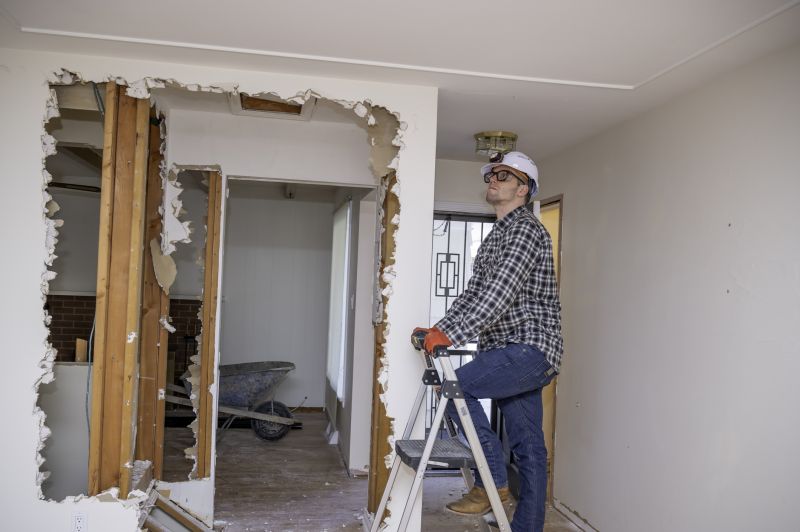
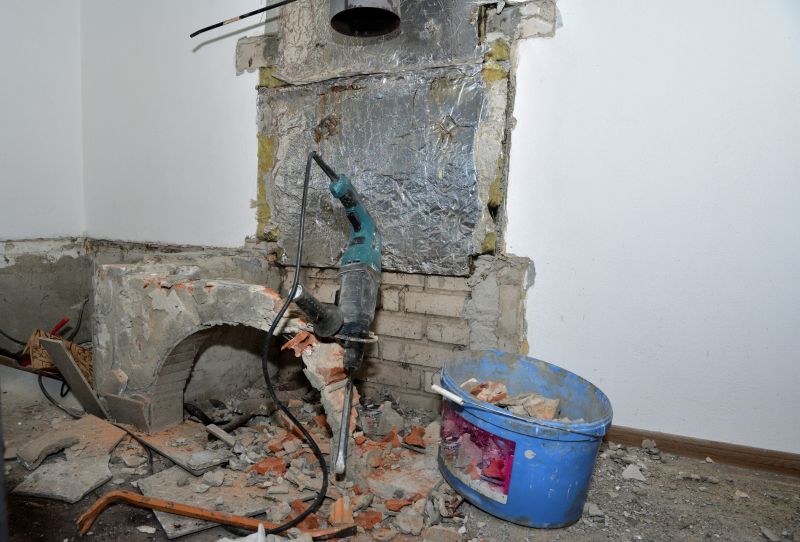


Learn how to compare masonry demolition contractors, define scope clearly, verify experience, and set expectations in writing.
- Project Scope - Clearly define the specific masonry structures or elements to be demolished.
- Experience Verification - Confirm that service providers have relevant experience with masonry demolition projects.
- Methodology Description - Outline the techniques and equipment that will be used during demolition.
- Safety and Environmental Considerations - Specify safety protocols and disposal procedures to ensure compliance and site safety.
- Written Agreement - Ensure all scope details, expectations, and responsibilities are documented in a formal agreement.
When evaluating contractors for masonry demolition, it is essential to consider their experience with similar types of projects. Homeowners should inquire about the specific kinds of demolition work the contractors have performed, such as removing retaining walls, chimneys, or other masonry structures. Contractors with a proven track record in comparable projects are more likely to understand the unique challenges involved and deliver results that meet expectations. Gathering details about their past work can help ensure that the service providers have relevant expertise and a history of handling projects similar in scope and complexity.
A clear, written scope of work is a critical component when comparing masonry demolition contractors. This document should outline exactly what will be done, including the areas to be demolished, methods to be used, and any materials or structures that are not included. A detailed scope helps prevent misunderstandings and provides a basis for evaluating whether a contractor’s approach aligns with the homeowner’s needs. When reviewing proposals, homeowners should look for comprehensive descriptions that leave little ambiguity about what the project entails and what deliverables are expected.
Verification of a contractor’s basic qualifications involves confirming their understanding of site conditions and safety considerations, as well as their approach to handling unforeseen issues. Homeowners can ask contractors how they plan to assess the site before beginning work and what steps they take to ensure the integrity of surrounding structures. While formal licensing or certification are not discussed here, it’s important to verify that the service providers have a solid process for managing the technical aspects of masonry demolition. This verification helps ensure that the project will be approached responsibly and competently.
When comparing options, homeowners should focus on evaluating each contractor’s experience, scope of work, and approach to project management. Reviewing written proposals and clarifying any uncertainties can help set realistic expectations and ensure alignment before work begins. It is beneficial to ask for references or examples of completed projects similar to the scope at hand, providing insight into the contractor’s capabilities. Ultimately, a thorough comparison based on experience, clarity of scope, and verification practices can lead to choosing a service provider well-suited for the masonry demolition project.
Ask contractors to provide written scope details to ensure clear expectations and consistent project understanding.
- Experience Verification - How can contractors demonstrate their experience with masonry demolition projects similar to yours?
- Scope Definition - What details should be clarified to ensure the scope of work is clearly outlined in the contract?
- Comparison Criteria - What factors should be used to compare different local contractors beyond pricing?
- Work Methodology - How do contractors plan to approach the demolition to meet your specific project requirements?
- Written Agreements - What should be included in the written scope to prevent misunderstandings during the project?
How can I compare masonry demolition contractors? To compare local contractors, review their experience, verify references, and ensure they clearly define the scope of work in writing.
What should I look for when defining the scope of masonry demolition? Clearly outline the areas to be demolished, materials involved, and any specific requirements to set accurate expectations with contractors.
How can I verify a contractor’s experience with masonry demolition? Ask for details about previous projects, request references, and check their work history to ensure they have relevant experience.
Why is it important to have a written agreement with a masonry demolition contractor? A written agreement helps clarify project scope, responsibilities, and expectations, reducing misunderstandings during the work process.
What questions should I ask contractors during the selection process? Inquire about their experience, methods, safety practices, and how they handle unexpected issues to assess their suitability for the job.
How can I ensure a masonry demolition project meets my expectations? Communicate your requirements clearly, review detailed scope documents, and verify that all agreements are documented before work begins.
This page has provided an overview of how to find and evaluate contractors for masonry demolition projects. Visitors have learned the importance of clearly defining the scope of work, verifying the experience of service providers, and putting all expectations in writing to help ensure a smooth process. Utilizing the quote form allows for easy comparison among nearby contractors, making it easier to identify options that meet specific project needs.
By using the quote form, visitors can efficiently connect with local contractors who specialize in masonry demolition. Comparing multiple service providers helps to gather relevant information and make informed decisions. Taking the time to review credentials and clarify project details can lead to a better understanding of available options and set the stage for a successful project.